

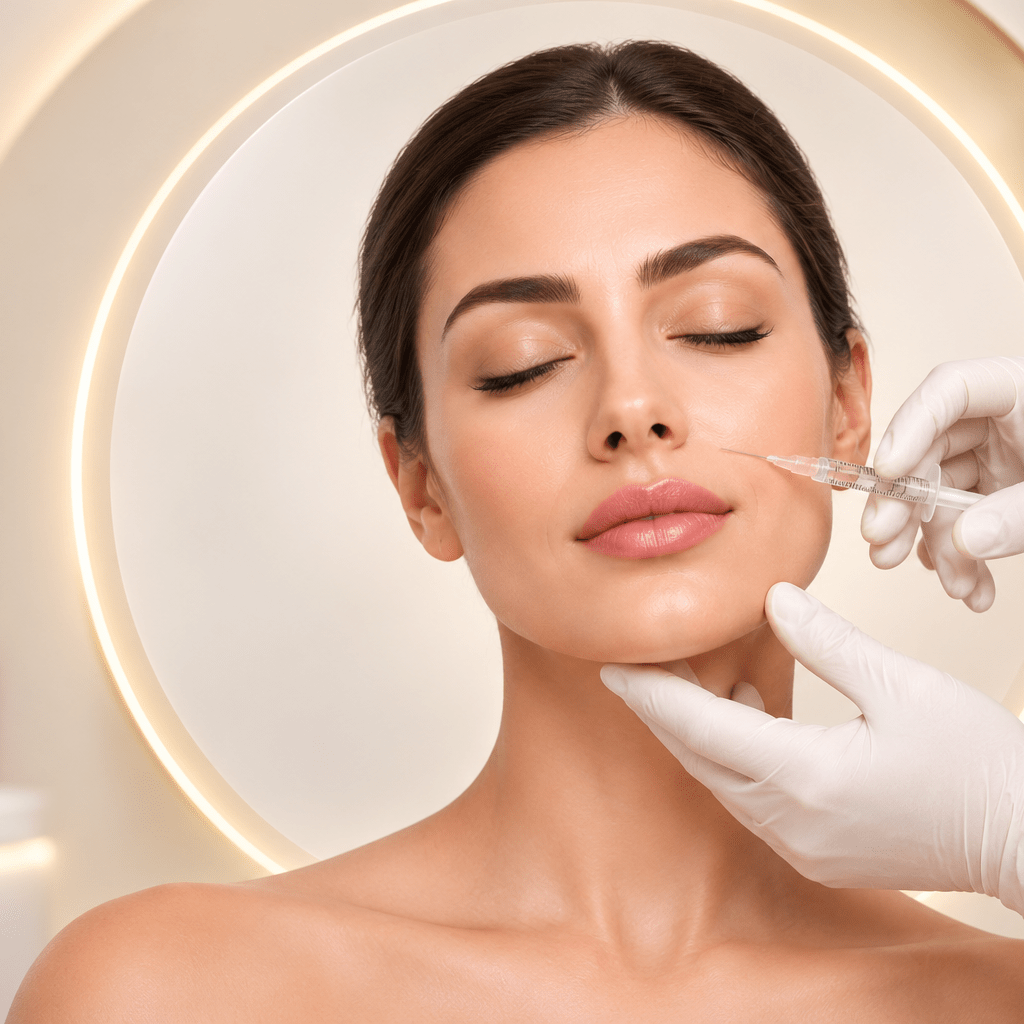
Yes—but technique and treatment planning matter enormously.
The goal of modern filler treatment is not necessarily to make an area look bigger.
For example, restoring lost volume can sometimes create a more rested or balanced appearance without dramatically changing the person’s facial features.
The AAD notes that natural-looking filler results depend heavily on the expertise of the person performing the injections and recommends a conservative approach rather than overfilling.
This is particularly important when treating areas where small changes can significantly affect facial appearance.
Will people know that I have had fillers?
They shouldn’t necessarily.
A well-
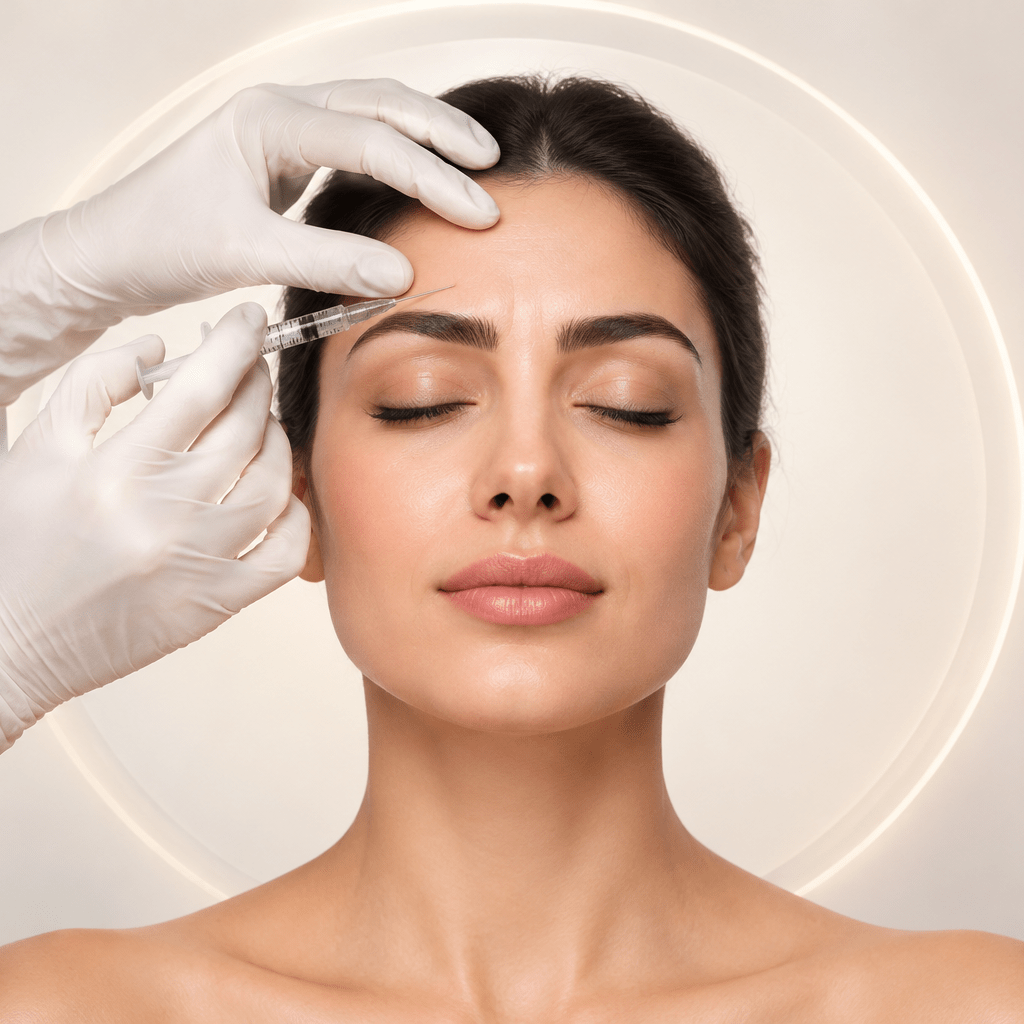
If you are considering Botox, you may have two very different questions in your mind:
“Is Botox actually safe?”
and
“Do I really need it?”
Both are important questions.
Botox, more precisely botulinum toxin, is a medical treatment that temporarily reduces the activity of specific muscles. When used cosmetically, it is commonly used to soften certain dynamic facial lines, including frown lines, forehead lines and crow’s feet.
But Botox is not something everyone needs, and getting a good result is not simply about injecting a certain number of units.
The right treatment starts with understanding your facial anatomy, your concerns and the result you want.
How does Botox act Posted in Facial Plastic Surgery by South Delhi Cosmetic Clinic
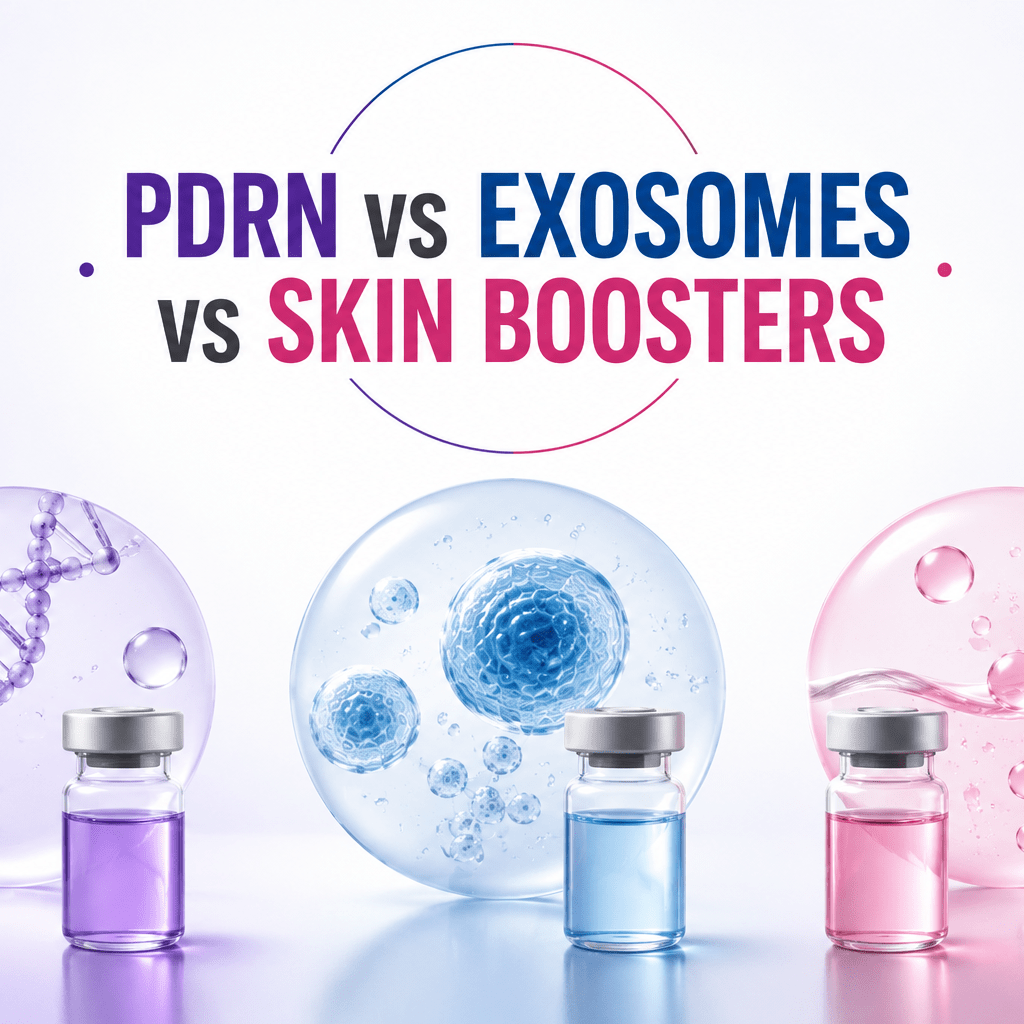
The world of aesthetic dermatology is moving beyond traditional creams, peels and conventional injectables. Treatments such as PDRN, exosomes and skin boosters are increasingly being discussed for improving skin hydration, texture, elasticity, fine lines and overall skin quality.
But with so many regenerative skin treatments available, an important question remains:
Which treatment is actually right for your skin?
PDRN, exosomes and skin boosters are not interchangeable. They work through different biological mechanisms, have different levels of clinical evidence and may be better suited to different skin concerns.
Importantly, the newest evidence does not support treating any of these options as a universal “best” treatment. A dermatologist should consider your skin condition, goals, medical history and the evidence behind
Introduction
Start by addressing the user’s intent directly:
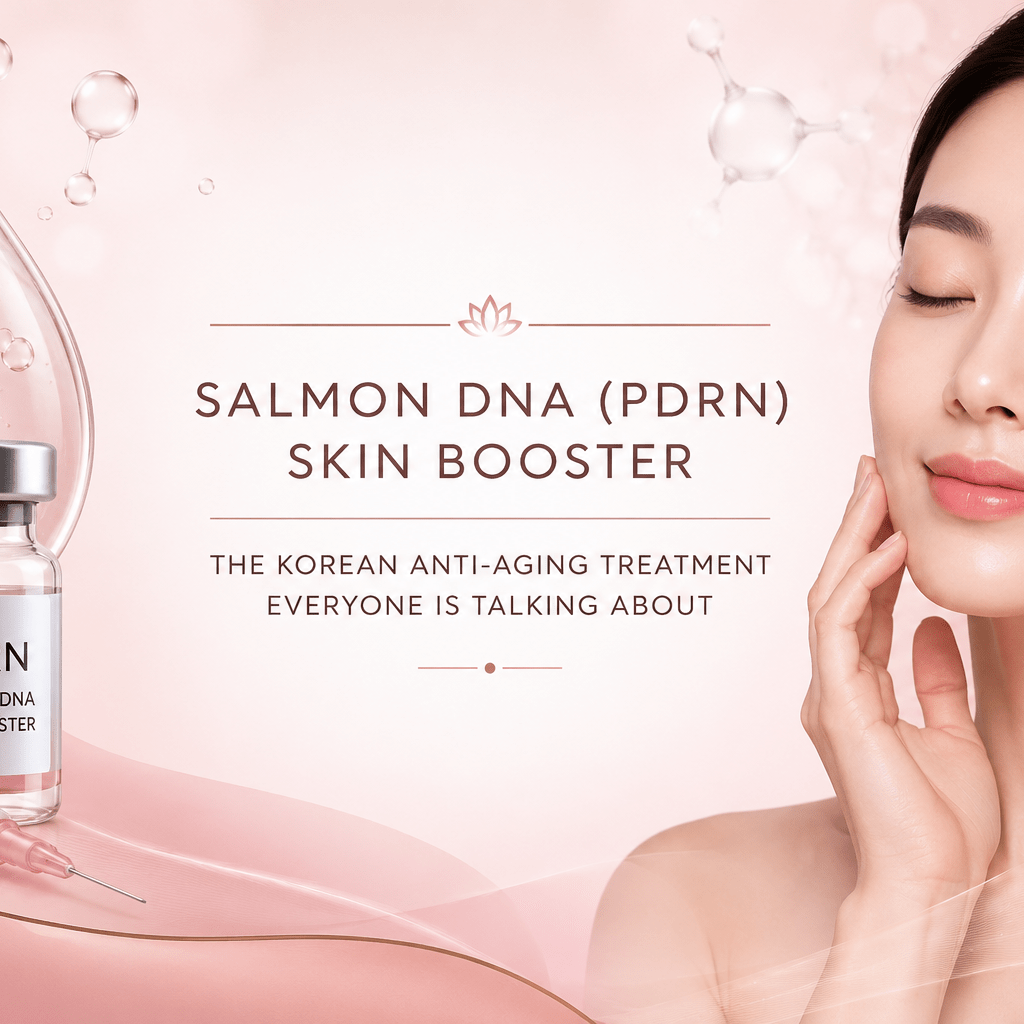
Korean skincare trends have introduced several breakthrough treatments, but one innovation is attracting significant attention from dermatologists worldwide—Salmon DNA (PDRN) Skin Booster. Originally developed for wound healing, PDRN (Polydeoxyribonucleotide) is now being used in aesthetic dermatology to improve skin quality, hydration, elasticity, and collagen production. While social media has popularized the treatment as the “Salmon DNA Facial,” it is important to understand that medical-grade PDRN involves highly purified DNA fragments—not raw salmon products—and should only be administered by qualified professionals. Clinical evidence supports injectable PDRN for tissue repair and skin rejuvenation, though evidence for topical products is more limited.

Have you noticed that more people in their late 20s and early 30s are choosing preventive skin treatments instead of waiting for wrinkles to appear?
This growing trend is known as collagen banking—a proactive approach to maintaining healthy, youthful skin by preserving and stimulating your body’s natural collagen before significant signs of aging develop.
Instead of trying to reverse deep wrinkles later in life, collagen banking focuses on keeping your skin stronger, firmer, and healthier from an earlier age.
In this article, we’ll explain what collagen banking is, why it matters, and which treatments can help support long-term skin health.
What Is Collagen?
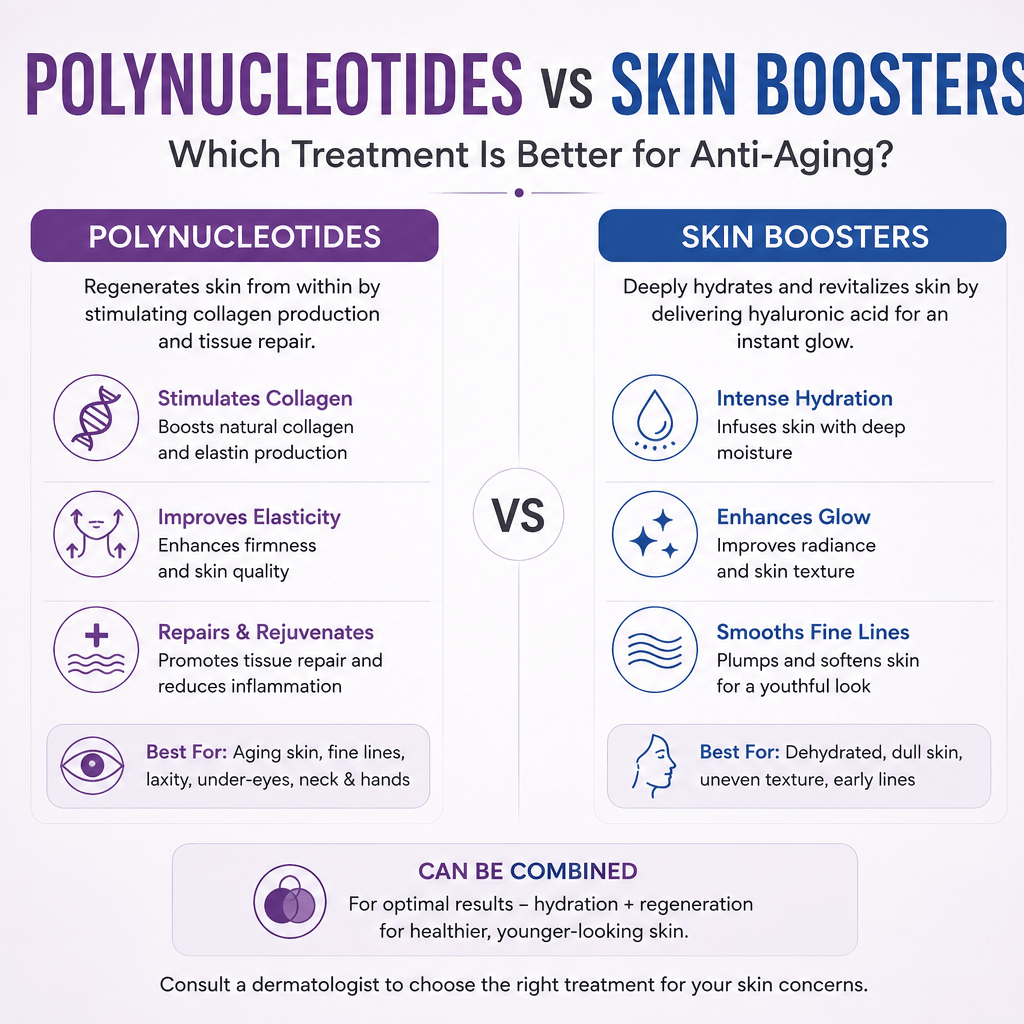
The pursuit of youthful, healthy, and radiant skin has evolved significantly over the past decade. Today, aesthetic medicine is moving beyond simply filling wrinkles or adding volume. The focus has shifted toward regenerative treatments that improve skin quality from within.
Among the most talked-about anti-aging treatments in 2026 are Polynucleotides and Skin Boosters. Both are injectable treatments designed to rejuvenate the skin, improve hydration, and restore a youthful glow. However, they work differently and are suited for different skin concerns.
If you’re considering an anti-aging treatment and wondering which option is right for you, this comprehensive guide will help you understand the differences between Polynucleotides and Skin Boosters, their benefits, ideal candidates, and expected results.
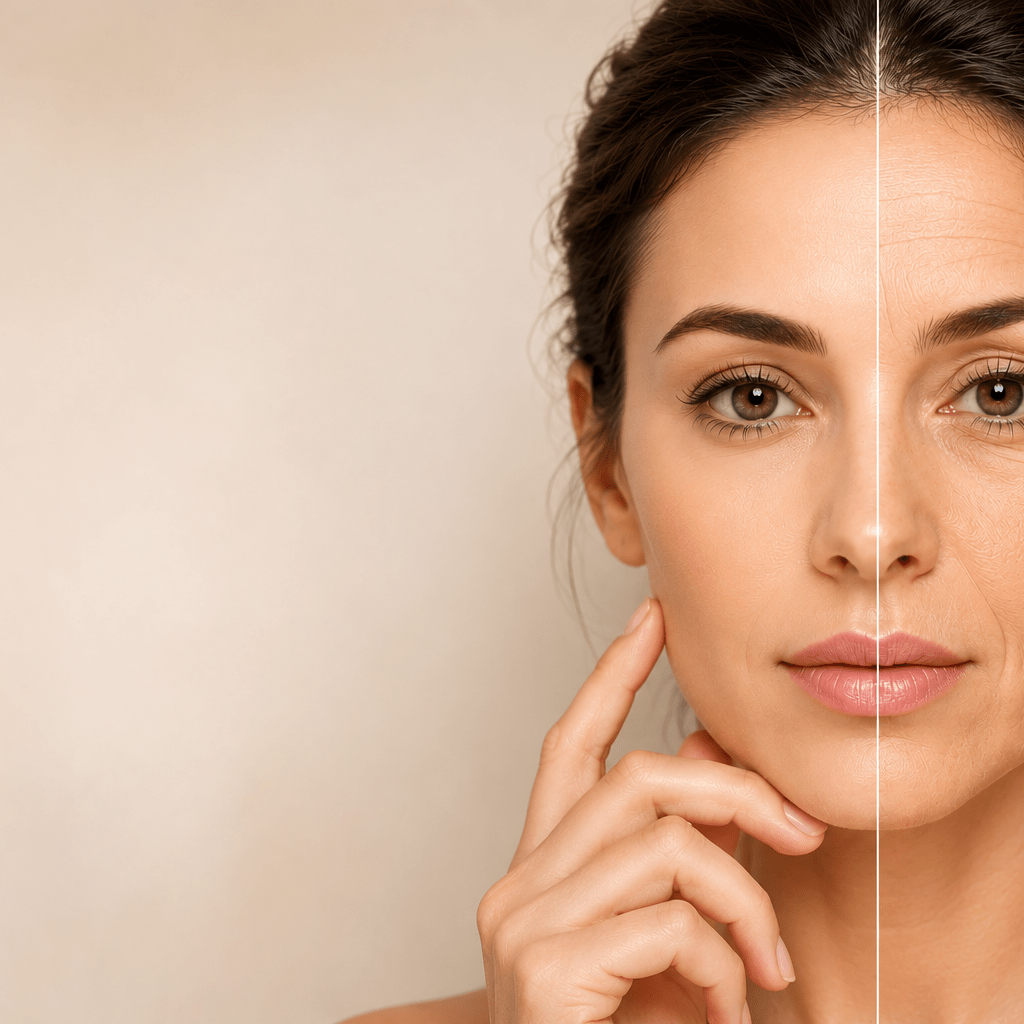
Aging is a natural process, but many people start noticing subtle facial changes much earlier than expected — sometimes even in their late 20s or early 30s. While wrinkles are often considered the first sign of aging, the reality is that facial aging begins much before deep lines appear.
Factors like stress, sun exposure, pollution, poor sleep, smoking, screen time, and lifestyle habits can accelerate the aging process and make your face look tired, dull, or older than your actual age.
At South Delhi Cosmetic Clinic, many patients are surprised to learn that the earliest signs of aging are often subtle changes in skin texture, facial volume, and contour — not just wrinkles.
What Causes Early Facial Aging?
Facial aging happens due to a gradual loss of:
- Co
- Co

Pigmentation and dark spots can be effectively treated with advanced solutions like laser therapy, chemical peels, and medical skincare. The best pigmentation treatment depends on the cause, skin type, and severity, and should be guided by a qualified dermatologist.
What Is Skin Pigmentation?
Pigmentation refers to the coloring of your skin caused by melanin. When melanin production becomes uneven, it leads to:
- Dark spots
- Patches
- Uneven skin tone
👉 This is one of the most
